Table of Content
This term alludes to when the cows return to the barn for milking. Till the cows come home is an idiom that has been in use for quite awhile. We will examine the meaning of the idiom till the cows come home, where it came from, and some examples of its idiomatic usage in sentences. Oddly enough, this is not the first proverb or idiom in our language to utilize a late horse.
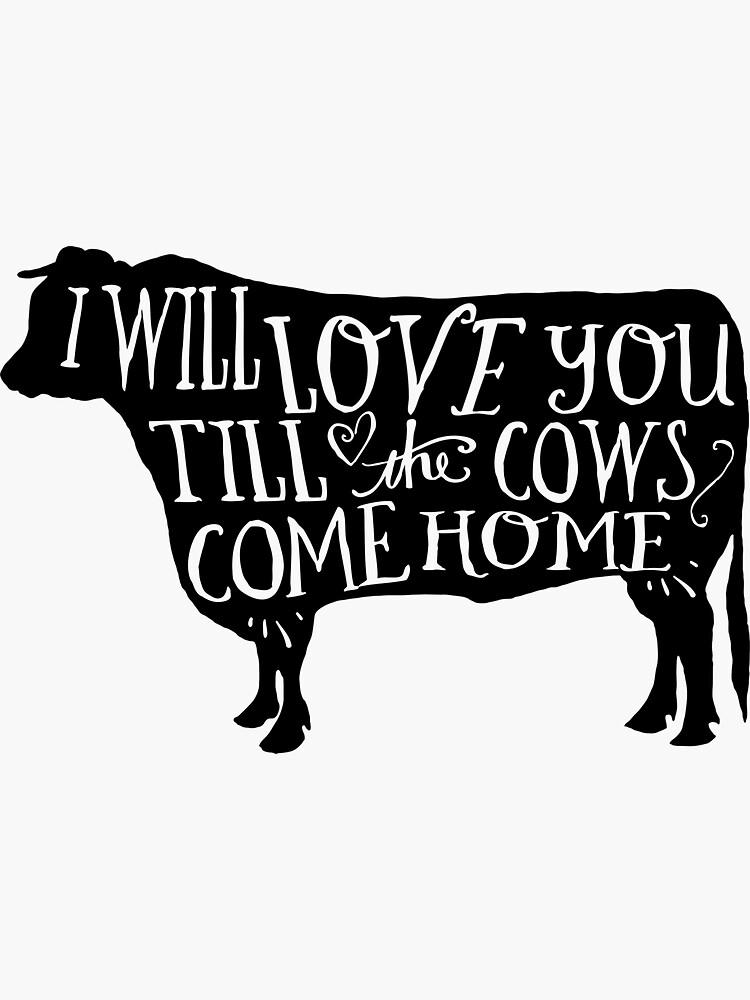
And lest you think that the top is the only portion of the hog on which you might live, fear not, for you may also live low on this gracious animal. He would not weary them like his friend old Tower, who would talk a horse’s leg off——but would simply second the amendment. We can talk of all that’s wrong till the cows come home, but unless we act on them, there will not be any improvement.
Origin
You can keep on trying to convince till the cows come home, but I won’t change my views. It's worth mentioning that this and other early citations refer to one cow coming home, why the phrase later migrated into the plural isn't clear. They could argue till the cows come home and still not reach an agreement.
Join Macmillan Dictionary on Twitter and Facebook for daily word facts, quizzes and language news. John and I became quite close, we worked in several movies together. He could recite Shakespeare ’til the cows came home , and he had a heart as big as outdoors. She could list Buck's good qualities from now until the cows came home.
Till the Cows Come Home – Meaning, Origin and Usage
The phrase ’til the cows come home’ has nothing to do with cows going home. It’s a way of describing how something can last for a long time or forever. Using it to describe the daily habits of cows on a farm is incorrect.

In the 1860s it was common to see happy as a pig in clover, or happy as a pig in a puddle. The important thing is, should you have a pig, that you figure out what causes this happiness, and then work to procure it. The first use of the expression in idiomatic language comes from the early 19th century. The phrase appeared in ‘The Times,’ a British newspaper, in 1829, where it reads as follows. This phrase alludes to the time a herd of cows take to make their way home.
Test Your Knowledge of English Proverbs and Idioms
Sometimes we lead them to the slaughterhouse, and sometimes to the butcher. Lambs have it rough, and it would be nice, just for the sake of variety, if someone decided to lead a lamb to a picnic or something. While many similar idioms have numerous slight variations, bacon appears to be the overwhelming favorite type of foodstuff to bring home as a linguistic indicator of one’s ability to provide.

If she waited for him to return until the cows came home, she'd never see any of them again. Middleton, up to that time, July 1952, had been prepared to give the lovable old gentleman the benefit of every possible doubt and talk to him until the cows had come home and gone to bed. Possibly from the fact that cattle let out to pasture may be only expected to return for milking the next morning; thus, for example, a party that goes on “until the cows come home” is a very long one.
Look a Gift Horse in the Mouth
Add till/until the cows come home to one of your lists below, or create a new one. Improve your vocabulary with English Vocabulary in Use from Cambridge. In case you were wondering, we do not always lead lambs to the slaughter, when we reference these gentle creatures in our idioms.
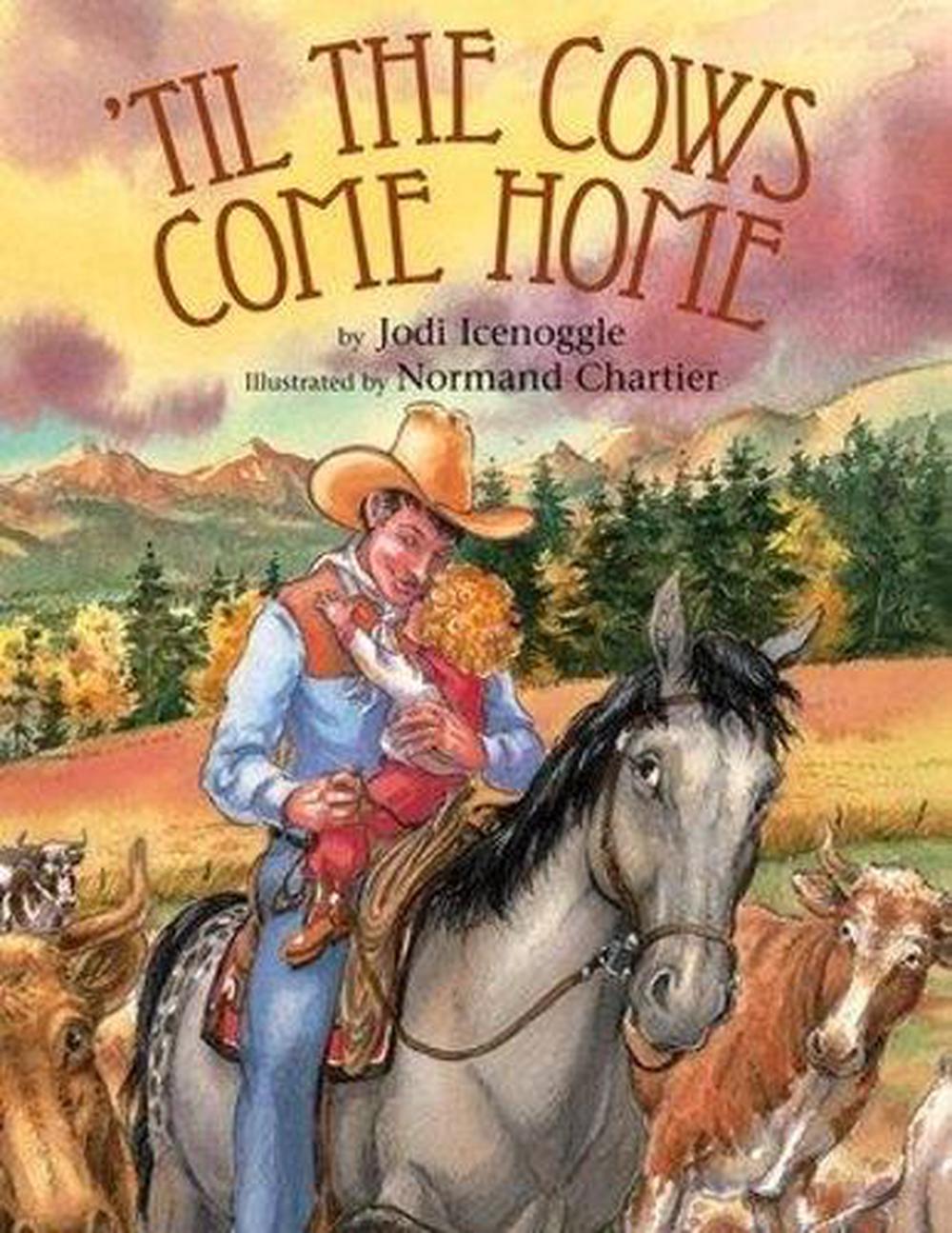
As is often the case in such circumstances people will offer possible explanations, of varying plausibility. Some of the ones suggested for buy the farm are that it is a variant of bought a plot , or that when a plane has crashed into a farm the government will financially compensate the farmer for the damage. Sometimes the eye is not the body part of the pig being referenced; in a pig’s snout, in a pig’s ear, and others are occasionally found. Recent studies have indicated that chickens do, in fact, have some ability to count . In other words, you might as well count your chickens before they hatch, since once they hatch they are going to be counting you.
We have been using living high to refer to a life engaged in riotous excess since the beginning of the 17th century, but it was not until the early 20th that we attached on the hog to this. The earliest citations we have for this idiom have both a literal and a figurative bent to them. They are figurative insofar as horses do not actually speak to people, but literal inasmuch as they are dealing with the ostensible communication of information from equine to human. Most early uses are found in sporting newspapers, in coverage of horse racing events.
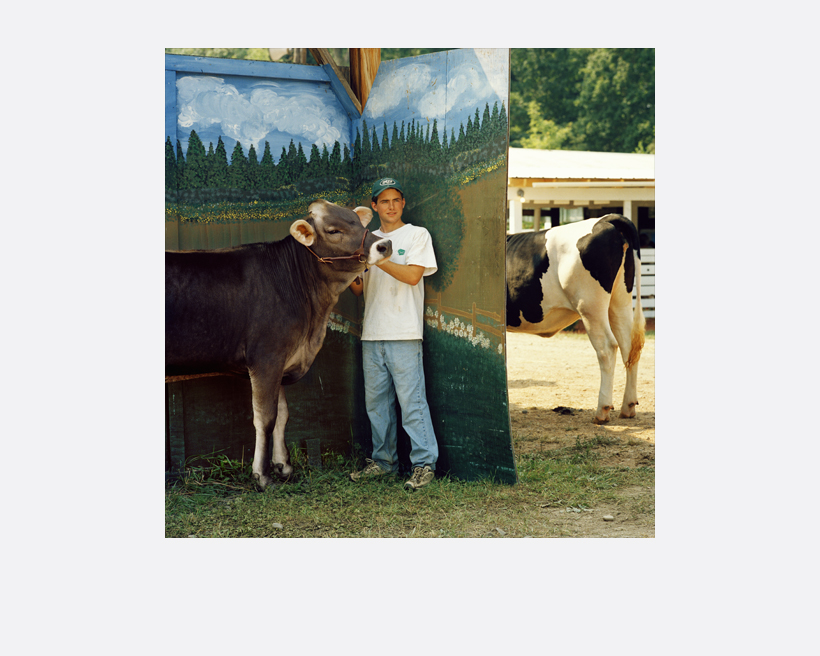
The idiom till the cows come home has been in use since at least the sixteenth century and may have originated in the Scottish Highlands, where cows are allowed to graze for months at a time before they meander home in the fall. Farmers have been putting animals out to pasture for many hundreds of year now. We began using this figuratively for people in the 19th century. As is the case with many of our farming idioms, the animal referenced is interchangeable with any one of a number of others. There is nothing special about a donkey’s leg, that it may be talked off; any number of other animals have legs that may be similarly removed.
For reasons that are not entirely clear to us, in the 17th century the dead horse was viewed as being a sterling exemplar of something which was not flatulent. The egg lends itself well to idioms, some of which have survived better than others. Put all one’s eggs in one basket has been in use for over three hundred years, and it looks like it will stick. This colorful expression appears to have originated, like so many others of its ilk, in the American South in the mid-19th century. Sowing one’s wild oats may sound more recent than some of the idioms on this list, but it is actually one of the oldest, dating in use back to the middle of the 16th century. ‘Til the cows come home’ means you’re involved in a task for an indefinite period, and you have no idea when it will finish.

Definition and synonyms of till / until the cows come home from the online English dictionary from Macmillan Education. For a very long period of time.You can crank the engine until the cows come home, but it won’t start without fuel. The Idiom Attic - a collection of hundreds of English idioms, each one explained. The female of various other large animals, as the elephant or whale.
The expression ’till the cows come home’ originates from farming culture. Cows will leave their shelter in the morning and spend all day in the field grazing. The cows will come home as the sun sets, usually moving at a slow pace.




No comments:
Post a Comment